Buying a home in Valparaiso is exciting, but the inspection can feel like the moment where everything gets real. If you are worried about what the report might say, you are not alone. The good news is that a home inspection is there to help you make a more informed decision, not to scare you away from a house. If you know what inspectors look for, what they do not cover, and how to respond to findings, you can move forward with a lot more confidence. Let’s dive in.
What an Indiana home inspection includes
In Indiana, home inspectors are licensed through the state Professional Licensing Agency. State rules require them to inspect readily accessible, installed systems and components, then report significant deficiencies and items that may be near the end of their service life.
That usually means the inspection covers the home’s major visible systems and structure. For buyers in Valparaiso, Gary, and Porter, that gives you a broad snapshot of the property’s condition before closing.
Structural and exterior components
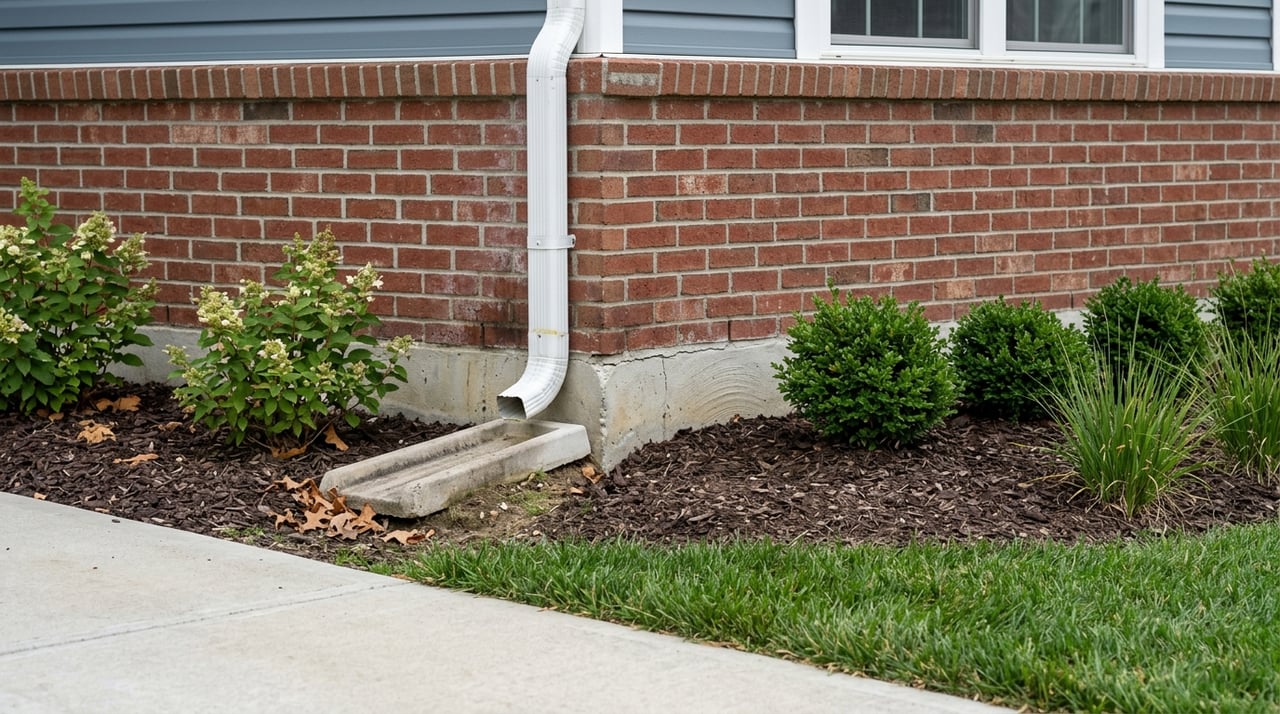
A standard Indiana inspection includes structural components like the foundation and framing, along with the crawlspace or basement if those areas are readily accessible. The inspector also looks at exterior wall coverings, doors, decks, porches, railings, eaves, soffits, fascia, grading, drainage, retaining walls, walkways, patios, and driveways.
This part of the report often helps you spot larger water-management or settlement concerns early. In Northwest Indiana, grading, drainage, and moisture-related observations can be especially important because they often connect to basement or crawlspace conditions.
Roof, plumbing, electrical, and HVAC
Inspectors also review roof coverings, flashing, roof drainage, skylights, chimneys, and other roof penetrations. Inside the home, they inspect plumbing systems, water-heating equipment, fuel distribution components, and sump pumps where present.
Electrical systems are another major focus. Indiana standards call for inspectors to review service equipment, panels, conductors, overcurrent devices, GFCIs, and a representative number of fixtures, switches, and receptacles, along with certain reportable conditions such as solid-conductor aluminum branch wiring and missing smoke detectors.
Heating and cooling equipment are included too. That matters because an aging furnace or air-conditioning system may not stop a sale, but it can affect your repair planning and monthly budget.
Interior systems and finishes
A standard inspection also includes interior walls, ceilings, floors, stairs, railings, doors, windows, countertops, cabinets, garage doors, insulation, ventilation, and fireplaces or solid-fuel appliances. In other words, the inspector is reviewing the home as a whole, not just the flashy features you noticed during the showing.
That broad review is helpful because small signs in one area can point to larger maintenance patterns. A sticking window, damaged trim, or stains near a ceiling line may lead to follow-up questions about moisture, ventilation, or deferred upkeep.
What a home inspection does not tell you
This part surprises many buyers. Indiana makes it clear that a home inspection is not technically exhaustive, and it will not uncover concealed conditions or latent defects.
Inspectors are not required to determine code compliance, future conditions, market value, repair costs, or the overall adequacy of a system. They also are not required to provide engineering or architectural opinions.
Why that matters for buyers
A home inspection is a strong starting point, but it is not the final word on every possible issue. If the report raises questions about the roof, foundation, electrical system, or another major component, you may need a specialist to look deeper.
That is one reason it helps to schedule the inspection as early as possible. You want enough time to review the findings, ask questions, and line up any additional inspections before your deadlines arrive.
Why older housing stock matters locally
In Valparaiso and nearby communities, the age of the housing stock is a big reason inspections matter so much. Valparaiso’s 2021 Residential Market Analysis found that 38.7% of all housing units were built before 1970, while 43.3% of owner-occupied homes were built in 1960 or earlier and 15.1% were built in 1939 or earlier.
Porter also has a meaningful share of older homes, with 16% built in 1949 or earlier, 11% in the 1950s, and 10% in the 1960s. In Gary, regional planning guidance also points to reinvestment in older urban areas.
Common issues buyers may see
Based on local housing age and the systems Indiana inspectors review, buyers in this area often see findings tied to older Midwestern homes. These can include:
- roof wear
- flashing and drainage issues
- basement or crawlspace moisture
- grading problems
- aging electrical service or panel components
- older plumbing or water-heating equipment
- HVAC systems nearing the end of service life
- insulation or ventilation gaps in unfinished spaces
None of these findings automatically means you should walk away. It usually means you need to understand the scope, decide what is ordinary maintenance versus a larger concern, and make a plan for next steps.
Two Northwest Indiana issues to watch closely
Some inspection-related concerns deserve extra attention in Porter County and surrounding areas because they may not be fully covered in a standard inspection.
Radon testing
Porter County Health says radon is invisible, odorless, and tasteless. It can enter a home through cracks and holes in the foundation, and testing is the only way to know your level of exposure.
The county cites guidance that homes should be fixed at 4 pCi/L or higher, and that mitigation should be considered between 2 and 4 pCi/L. Since radon is not something you can see during a walk-through, buyers should think about whether separate testing makes sense, especially when a home has a basement or lower-level living area.
Wells and septic systems
If you are buying in a more rural part of Porter County, the home may rely on a private well or septic system. Porter County Health notes that rural homes are more likely to use wells, and the county does not require water testing for new construction, existing homes, or change-of-ownership homes, though some mortgage companies do require it.
This is important because Indiana home inspection rules do not require inspectors to test water quality or inspect wells, well pumps, or private waste disposal systems. If those systems are present, separate specialty testing is often the smart next step.
Porter County’s septic guidance also notes that failures can lead to backyard seepage, non-flushing toilets, and flooded basements. For a buyer, that makes specialty evaluation less of an extra and more of a practical part of due diligence.
How to handle inspection findings
Once the report comes in, the goal is not to panic. The goal is to sort the findings into clear categories so you can decide what matters most.
A practical way to review the report is to separate items into:
- ordinary maintenance
- repair items you may want to negotiate
- issues that need a specialist evaluation
- items that could affect financing or closing timing
Your main options after the report
When defects show up, buyers usually take one of a few paths. Common outcomes include:
- the seller completes repairs before closing
- the seller offers a credit or closing-cost contribution instead of making repairs
- the price is renegotiated
- the buyer cancels under an inspection contingency if the results are not acceptable
The right choice depends on the property, the severity of the issue, your budget, and your comfort level. This is where having a local advisor with practical transaction experience can make the process feel much more manageable.
Attend the inspection if you can
CFPB recommends attending the inspection when possible. That gives you a chance to hear the inspector’s comments in real time and ask follow-up questions that may not be obvious from the written report alone.
For many buyers, seeing an issue in person makes it much easier to understand whether it is a routine maintenance item or a true red flag. It also helps you prioritize what to address first.
How inspection issues can affect financing
An inspection report does more than guide negotiations. It can also affect your loan timeline.
CFPB notes that some loan programs require a property to meet certain standards. If major repairs are needed, a lender may require those repairs to be completed before closing or may require funds to be held in escrow for completion after closing.
When a project home needs a different plan
Sometimes the inspection confirms that a property is not really a simple move-in-ready purchase. It may be a home with solid potential, but one that needs financing and renovation planning to line up.
For buyers already expecting improvement work, FHA 203(k) is one example of a renovation loan structure. HUD says it allows the purchase or refinance of a home that is at least one year old along with rehabilitation funds, which are held in escrow and released as work is completed.
That does not mean every buyer should use a renovation loan. It simply shows why inspection findings matter so much when you are deciding whether a home fits your budget, timeline, and comfort with repairs.
Do not skip the final walk-through
Even after inspection negotiations are resolved, one last step matters. Before closing, CFPB advises buyers to inspect the home again and confirm that agreed repairs were completed.
This pre-closing walk-through is your chance to make sure the home is in the expected condition. If repair work was part of the agreement, you want to verify it before you sign the final paperwork.
A smart inspection mindset for Valparaiso buyers
In Valparaiso, Porter, and nearby Northwest Indiana communities, home inspections are especially valuable because so many properties include a mix of age, updates, and ongoing maintenance needs. The report is not there to deliver a perfect score. It is there to help you understand what you are buying.
If you approach the inspection as a planning tool, you can make better decisions about negotiations, specialist follow-up, financing, and future repairs. That kind of clarity can lower stress and help you move forward with confidence.
When you want a local advisor who understands how inspection findings connect to financing, title, renovation questions, and neighborhood-specific housing patterns, Jason Lynn can help you make sense of the details and keep your purchase moving in the right direction.
FAQs
What does a standard home inspection cover in Indiana?
- A standard Indiana home inspection covers readily accessible structural, exterior, roofing, plumbing, electrical, heating, cooling, and interior components, along with insulation, ventilation, and some garage and fireplace features.
What does a home inspection not cover in Porter County homes?
- Indiana inspections are not technically exhaustive and do not require inspectors to identify concealed defects, determine code compliance, estimate repair costs, or inspect water quality, wells, well pumps, or private septic systems.
Should buyers in Valparaiso test for radon?
- Porter County Health says radon is invisible, odorless, and tasteless, and testing is the only way to know exposure, so buyers should strongly consider radon testing when evaluating a home in the area.
Why do older homes in Valparaiso and Gary need careful inspections?
- Local housing data shows a significant share of homes in Valparaiso, Porter, and Gary are older, which can increase the chances of issues such as roof wear, moisture intrusion, drainage problems, aging electrical components, and older HVAC or plumbing equipment.
What can buyers ask for after a home inspection in Indiana?
- Buyers commonly ask for seller repairs, credits, closing-cost contributions, or a price adjustment, and some buyers choose to cancel under an inspection contingency if the results are not acceptable.
Can a home inspection affect my mortgage approval?
- Yes, some loan programs require the property to meet certain standards, and major repair issues can delay closing, require repairs before closing, or lead to repair funds being held in escrow.