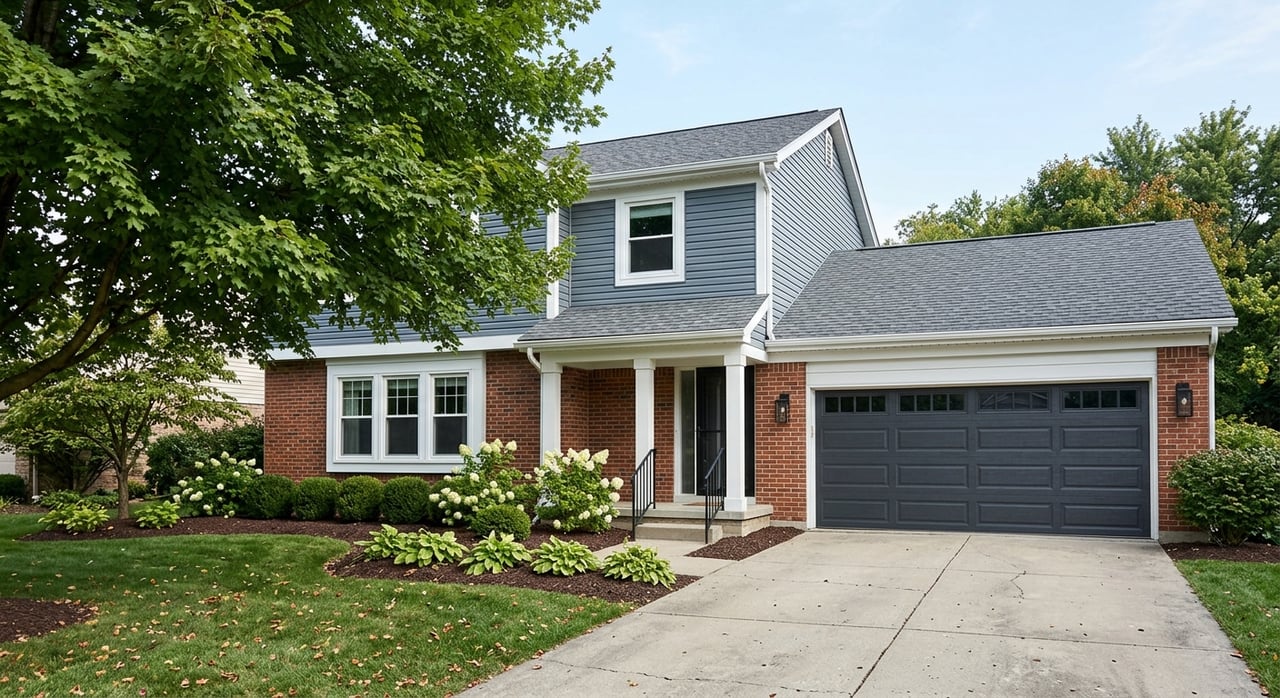
If you are sizing up a single-family rental in Valparaiso, the numbers can look better on paper than they feel in real life. A decent-looking house, a mid-$1,000s rent estimate, and a quick online value check might seem enough to move forward. But in a market like Valparaiso, where home prices are relatively high and compliance details matter, smart investing comes down to careful underwriting. Let’s dive in.
Why Valparaiso looks different
Valparaiso is not the same kind of investment market as nearby Gary or some deeper-value pockets in Porter County. According to Zillow’s Valparaiso home value data, the average home value is $349,686, and homes go pending in about 50 days. Zillow also reports an average asking rent of $1,420, which gives you a quick snapshot of the local rent environment.
That matters because Valparaiso often behaves like a higher-basis, more owner-occupied market. Census QuickFacts for Valparaiso shows a population of 35,065, median household income of $67,664, and an owner-occupied housing rate of 58.6%. In Porter County overall, the owner-occupied rate is even higher at 77.2%, which helps explain why clean, well-located single-family homes can hold value differently than lower-cost rental-heavy markets.
By comparison, Zillow’s Gary housing data shows an average home value of $83,680 and average rent of $1,307. That lower price point can look attractive, but it also points to a very different risk profile. For many small investors, Valparaiso offers stronger exit liquidity, while lower-priced areas may require a deeper discount and more room in the budget for management and repairs.
Start with rent-to-value math
A fast first screen can help you eliminate weak deals before you spend time on a full analysis. Using Zillow’s average Valparaiso home value and average rent, the rough gross rent-to-value ratio comes out to about 4.87% before you account for vacancy, maintenance, taxes, insurance, and financing. That is only a screening tool, not a final answer.
For single-family properties, the biggest mistake is relying on one citywide rent number. Zillow’s Valparaiso rental market trends show why broad averages can miss the mark. Bedroom count, garage space, basement finish, lot usability, and overall condition can all shift rent materially.
A three-bedroom house with updated finishes and an attached garage may lease very differently than an older home with dated systems and less functional space. If you underwrite both at the same rent, you can end up overpaying for one and passing on the better deal. In Valparaiso, details matter.
Use conservative rent benchmarks
One of the safest ways to pressure-test your numbers is to compare your projected rent to HUD’s FY2026 Fair Market Rents for the Gary HMFA, which includes Porter County. The published rents are:
- 0BR: $959
- 1BR: $1,082
- 2BR: $1,317
- 3BR: $1,612
- 4BR: $1,744
HUD says these figures are used as payment standards and rent ceilings in assisted-housing programs, so they are best treated as conservative benchmarks, not as a market ceiling. Still, they are useful when you want a reality check. If your projected rent is well above these numbers, you should have strong property-specific reasons to support it.
This is especially helpful in Valparaiso, where single-family homes can vary widely in quality and layout. A clean underwriting model should match the rent assumption to the actual home, not just the ZIP code.
Watch taxes and carrying costs
In a higher-basis market, carrying costs can quietly damage returns. Indiana’s property tax cap rules set the cap at 2% for other residential property, which is the key starting point for a rental single-family home. That does not mean every rental will land exactly at 2%, and referendum levies can still apply above the cap, so you still need to verify the actual parcel.
That parcel-level review matters in Porter County because property tax bills are district-specific. You should never assume a flat countywide number when underwriting a deal. A property that looks acceptable at one tax estimate may fall apart once the real tax burden is confirmed.
Census data also helps frame the issue. Valparaiso QuickFacts shows median monthly owner costs without a mortgage at $632 in Valparaiso, compared with $582 in Porter County and $509 in Gary. These are not rental pro formas, but they are a useful reminder that non-mortgage costs can eat through a thin gross yield faster than many first-pass spreadsheets suggest.
Factor in rental registration early
Before you close, confirm what the city requires for a rental property. Valparaiso’s Rental Registration Program requires all residential rental properties to be registered. The city also states that out-of-county owners must appoint a local agent in Porter County or a contiguous county.
There is also a detail worth checking closely: the city pages conflict on the registration fee. One section references $5 per rental parcel, while the FAQ references $10 per unit. That does not mean the process is unclear overall, but it does mean you should verify the current fee before closing.
The same city FAQ says rental units are not inspected on a routine schedule. Inspections happen when a credible complaint is received. From an investor standpoint, that means compliance still matters, even if the city is not conducting automatic recurring inspections.
Cosmetic turns usually stabilize faster
In Valparaiso, the speed of your rehab matters almost as much as the cost. The city’s building FAQ says many cosmetic improvements do not require a permit, including painting, siding, trim work, flooring, landscaping, tree trimming, appliance replacement, fixture replacement, and same-size exterior door or window replacement.
That can make a clean cosmetic turn much easier to schedule and price. If the property already has a workable layout, serviceable systems, and only needs visible updates, you may be able to move from closing to lease-up more efficiently.
Heavier rehabs are a different story. For deeper interior work in Porter County, the interior remodel permit guide calls for plan-view drawings, a registered contractor or homeowner affidavit, licensed plumbers where required, and rough-in plus final certificate-of-occupancy inspections. The guide also says to allow up to 5 working days for permit review and processing, which can stretch your timeline once contractor schedules and inspections are layered in.
That is why many of the most defensible Valparaiso investment deals are the ones where the renovation plan is straightforward. The more unknowns you stack into the rehab, the more carrying costs can build while the property sits idle.
Build a better local checklist
When you evaluate a Valparaiso single-family investment, it helps to use a simple local sequence instead of jumping straight to offer price. A practical workflow looks like this:
- Confirm likely rent using property-specific comps and conservative benchmarks.
- Verify property taxes at the parcel level rather than using a rough county estimate.
- Check rental registration rules with the city before closing.
- Map out permit needs so you know whether the rehab is cosmetic or permit-heavy.
- Review title and closing costs before you commit major renovation dollars.
That last point is often overlooked. The Consumer Financial Protection Bureau explains that title services generally include the title search, title insurance, and closing-agent costs, and many of those services can be shopped. The CFPB also notes that a seller may not require a borrower to buy title insurance from a particular company as a condition of sale.
For investors, that means your closing stack deserves the same scrutiny as your rehab budget. It is also the stage where ownership questions and recorded issues are often surfaced before you put money into improvements. That is not a guarantee that every issue will be caught, but it is one more reason to slow down and verify the details.
What a workable deal often looks like
In practical terms, the strongest single-family rental opportunities in Valparaiso are often the ones that can support mid-$1,000s rent assumptions while still absorbing taxes, insurance, vacancy, maintenance, and the local compliance process. Those deals usually make more sense when the rehab scope is limited and the path to stabilization is clear.
That does not mean every heavy rehab is a bad investment. It means you should demand a purchase price and margin that reflect the extra risk, extra time, and extra carrying costs. In this market, paying too much for complexity is one of the fastest ways to turn a promising rental into a frustrating one.
If you want help evaluating a Valparaiso-area investment property before you write an offer, Jason Lynn brings local market knowledge plus hands-on experience in mortgage, title, and renovation issues that can help you spot risk earlier and make cleaner decisions.
FAQs
What rent should you use when evaluating a Valparaiso single-family rental?
- Use a property-specific rent estimate first, then compare it against conservative benchmarks like HUD Fair Market Rents and broader Valparaiso rental market trends.
How do property taxes affect Valparaiso investment properties?
- Indiana’s 2% tax cap for other residential property is a useful starting point for rentals, but you should still verify the actual parcel because Porter County tax bills are district-specific.
Do Valparaiso rental properties need to be registered?
- Yes. Valparaiso requires residential rental properties to be registered, and out-of-county owners must appoint a local agent in Porter County or a contiguous county.
Which rehab projects need permits in Valparaiso?
- Many cosmetic items listed in the city building FAQ do not require permits, but deeper remodels in Porter County may require drawings, registered contractors, and inspections under the interior remodel permit guide.
Is Valparaiso a better rental market than Gary for single-family investors?
- Valparaiso generally appears to be a higher-basis, cleaner-exit-liquidity market, while Gary’s much lower pricing can come with a different risk profile based on the market data in the provided Zillow Valparaiso and Zillow Gary reports.